Showing posts with label environmental science. Show all posts

Sunday, June 12, 2022

Sea Turtles: One of the Oldest, and Most Endangered Species

Chances are we've almost all seen the large posts in the ground warning us not to walk over where sea turtles have laid their eggs when we are at the beach; or we've heard the phrase "Save the Turtles!"at one point or another. But do we ever really stop to think about what that means? Sea turtles are some of the most fascinating (and important) creatures in the ocean, and yet, over time, the population has started to decline at drastic rates. 

In total, there are seven different sea turtle species. Three of these species are listed as endangered, and two more are listed as threatened. The seven different species are called Green, Loggerhead, Flatback, Hawksbill, Leatherback, Kemps Ridley, and Olive Ridley. Fossils relating to sea turtles date back to over hundreds of millions of years ago, and sea turtles used to live in abundance throughout the ocean. However, over the past 100 years, sea turtle populations have significantly decreased, largely due to human influence. 

Sea turtles were commonly exploited for their meat, and other profits, which caused a drastic hit to the population. On top of this, pollution, and a decrease in available land for laying eggs has also been detrimental to the overall population. Historically, there were dozens of known sea turtle populations, and yet today, only seven remain. 


One of the largest concerns regarding sea turtles is the nesting and hatching process. Male sea turtles spend their entire lives in the water, the only time they are outside the ocean is when they hatch. However, female sea turtles appear on the shore multiple times every few years to lay eggs. Many female sea turtles return to their natal beach to lay their own eggs, a process which occurs from usually April to October in America. Although it's extremely interesting, untrained human intervention can actually be detrimental to the process. People are known to scare away female turtles before they even lay their eggs; or confuse newly hatched baby turtles with house lights, and flashlights, causing many of them never to reach the ocean. 

Preventing the extinction of sea turtles is extremely important for many reasons, including the fact that they are responsible for maintaining the well being of many ecosystems. Sea turtles are actually known as "the lawn mowers of the sea," a comical yet fitting name for the mysterious creatures. Certain sea turtles are some of the only species known to eat sea grass, which grows along the ocean floor. This promotes the health of the sea grass beds, which directly contributes to the maintenance of biodiversity in the ecosystem. Sea turtles also maintain the health of the vegetation growing on the beaches in which they lay their eggs. Turtle shells and turtle eggs provide different necessary nutrients for the plants growing in the sand, which is hard for these plants to acquire in other ways. Vegetation in dunes helps increase the strength of the dunes, without this vegetation, the dunes would likely begin to disappear. 


Leatherback Turtle
                                                            

Although they have been around for what seems like forever, there is still so much that scientists are trying to uncover about sea turtles. They remain largely a mystery, and much about their lives and habits are unknown to scientists. Scientists continue to try and learn more about the fascinating animal, and yet they find themselves racing time, and trying to reverse the severe damage that humans have created for the species. 


Wednesday, June 8, 2022

The COVID Vaccine's Secret Ingredient

Vaccines: the technology has been a source of controversy ever since it was created by Louis Pasteur in 1798, and perhaps never more so than in the last two years. The COVID vaccine has been followed by the media and people all over the world since COVID itself entered the world stage--from its original production, testing, and distribution, to the political divides and government skepticism that followed. However, despite the intimate knowledge many have gained about the vaccine process over the course of the last couple years, there is still an interesting fact about the vaccine that most people are unaware of.

Someone receiving a COVID vaccine

Enter Limulus polyphemus, better known as the horseshoe crab--one of the most interesting creatures to ever crawl upon the Earth. Many people, especially here on the East Coast, have seen horseshoe crabs at one point or another while at the beach. Whether they are live and scuttling underfoot in the waves, or in the form of remnants of a shell washing up on the beach, catching sight of them isn't all that uncommon. They are relatively unassuming creatures, most are a dull brown color with a large, dome-shaped shell and long, pointed tail. The tail is harmless and is used to help the crabs flip themselves over if they ever get tossed upside down by a wave, not to sting people like my dad had told me as a kid. So, pretty boring, right? Wrong. This small, slightly creepy, creature is one of the oldest organisms on earth, remaining almost entirely unchanged for the last 445 million years. That is absolutely insane. Totally bonkers. That predates dinosaurs, predates trees, predates like--basically everything that isn't an amoeba! Their design is simple, but has helped them to outlive almost every other species. Makes sense that their moniker would be the "living fossil."


A cute little Atlantic horseshoe crab

Despite being called crabs, Limulus polyphemus are actually more related to scorpions and spiders than other crabs. They are arthropods, with a hard exoskeleton but no spine, and ten jointed legs they use to navigate themselves around the ocean floor and crush food before moving it to their mouths. It's kind of hard to find a creature to accurately compare them to because they are the only living species left in their phylum. 

A scary little Atlantic horseshoe crab

Every year like clockwork, these incredible little creeps flock to the beach to breed and lay eggs before returning to the ocean. They almost always come during a full or new moon, and always to the same beach with migration patterns that have lasted for hundreds of thousands of years. During late May/early June, a male will find a female in the shallows and hitch a ride on her tail to the beach. When they arrive the female will then dig small holes and lay millions of small, light blue eggs, and then the male will go through and fertilize them all. Most of the eggs will be eaten by other animals around the beach, they're a main food source for many bird species, but after about two weeks the eggs will hatch. Thousands of baby horseshoe crabs (which look exactly like the adults except without tails) will return to the water.

A handful of horseshoe crab eggs. They kinda remind me of robin eggs but in miniature. 

For the rest of the year the beaches will be deserted by the crabs, but during the month of May thousands of them all come at once and often cover beaches to the point where sand is no longer visible. One of the most popular breeding grounds is right in our backyard--the Delaware Bay. Some tourists come to see the weird sight, but there are also others waiting anxiously by to see them as well. If I asked you to take a guess at who these onlookers might be, I bet the first thing out of your mouth wouldn't be pharmacists. But low and behold, they're there. In droves. 

See, horseshoe crab blood is one of the only known sources for a chemical called limulus amebocyte lysate, or LAL. LAL reacts with the endotoxin lipopolysaccharide, or LPS, which is a membrane component in gram-negative bacteria. When the amebocytes in the horseshoe blood (which is a bright blue color due to its copper base) interact with the endotoxins, it causes the blood to clot. In the wild this helps horseshoe crabs a ton because any bacteria getting into a cut on the organism will be immediately jello-ed up and isolated, halting any dangerous bacteria from entering the bloodstream. Humans rely heavily on horseshoe crab blood to create LAL for our medicinal uses. The compound is the basis for the LAL test, which is crucial to the sterilization testing that all surgical instruments, artificial body part replacements, injectable drugs, and vaccines undergo. If the LAL test isn't preformed and bacterial endotoxins go undetected, they can create an infection which can become deadly extremely fast. Since horseshoe crab blood is the only known source of LAL, without them this entire process would cease to exist, and everyone undergoing a vaccine or operation would be put at serious risk of infection and sepsis. Hence the pharmacists in Delaware Bay.

The pharmacists (or ecologists/fishermen who work for pharmaceutical companies) will come to the beaches during breeding season and capture thousands of crabs a day, putting them in transport containers to be taken to nearby processing facilities. Every year they round up half a million organisms on the East Coast alone. The crabs are then washed and sterilized, and put on a conveyor belt to have their blood sucked from them. It honestly looks like something out of a horror movie. They are hung upside down as technicians put an IV into a vein near the crab's heart, and then sit for a few hours as around 30% of their blood drips into a little bottle below. After the ordeal, around 30% of the crabs die, and the rest are returned to the ocean, through nobody really knows for sure how the crabs fare when they are released back into the wild and if the loss of blood affects them negatively or not. Some conservationists say survival rates could be improved with better treatment of the crabs, but better treatment is more expensive and pharmaceutical companies often aren't willing to pay the price.

Horseshoe crabs having their blood drained. Super weird, feels like something out of a sci-fi or horror movie or something

When the blood is all bottled up and ready to go, scientists will send it to another nearby pharmaceutical site. Some chemicals will be added to turn the blood into FDA approved LAL, which will then be put on the market at roughly $60,000 a gallon. Horseshoe crab blood ain't cheap. Although there are groups focused on finding a synthetic alternative to horseshoe blood as a source for LAL, everything they have produced so far is yet to be approved by all of the necessary groups needed for it to be considered a safe alternative for the standard, horseshoe-derived, version of LAL.

\

Though the cost in crab lives may seem high, most conservationists say that the pharmaceutical industry isn't the biggest threat that horseshoe crabs face. In fact, many groups in the crab-draining industry work to pass legislation that help to preserve the crabs and their natural habitats, the most recent being laws passed in Maryland and Delaware making the use of horseshoe crabs as fishing bait illegal. But horseshoe crabs do face a great amount of danger. Every year they lose more of their precious breeding space on beaches due to erosion and human development on beaches, and ocean acidification due to climate change is causing pH levels in the Atlantic Ocean to no longer remain in the crabs' sensitive range. A more recent threat has been the intense red algal blooms that have been cropping up off the east coast from eutrophication due to human fertilizer run off.

A harmful red algal bloom in Nagasaki, Japan

During 2020, a record number of horseshoe crabs were captured to be used for sterilization of the millions of COVID vaccines being sent out around the country. Every time someone sat for their dose of the vaccine, there was a horseshoe crab's bright blue blood to thank. There was also a rather scary discovery made by a conservationist group from Maryland in 2020 during the height of COVID. It indicated that the horseshoe crab population was in severe decline, more than we had originally realized, due to habitat loss, climate change, and harvesting by pharmaceutical companies. Preserving these creatures is one of the many, many reasons climate change should be considered a top issue by legislators--it affects everything. Medicine, tourism, agriculture, the economy--quite literally everything. Nothing is left untouched by climate change, including the living fossil. Horseshoe crabs could outlast T-rexes and megalodons, meteors and volcanos, but it might not be able to outlast us. It's a pretty sobering thought.

Tuesday, June 7, 2022

Microplastics: small in size, big in impact

Plastic as we know it today is not even two hundred years old. Looking at a timeline, the massive plastic industry has only been around since the early to mid twentieth century. Yet, it goes without saying that plastic has become a major issue for the Earth's health, and an even bigger market for consumers. So, I've been wondering, if this product has existed for a relatively insignificant amount of time, how has it already had such a massive impact on Earth? And to take it a step further, how are these obscene amounts of plastic on our planet affecting Earth's inhabitants—even in ways we can't see?

Microplastics on a finger


What are microplastics, and how do we ingest them?
A microplastic is a piece of plastic that is smaller than five millimeters that is found in the environment, is insoluble, and generally take centuries to break down. Zooming in even further, nanoplastics are microplastics that are found to be less than a thousand nanometers and are commonly found in animal organs and human tissues. These extremely small particles are generally the byproduct of larger plastic items that have begun to break down, but sometimes they are made intentionally, like in the case of microbeads used in toothpaste and face creams. Yes, you read that right—you are brushing your teeth with nearly invisible pieces of plastic. Keeping that slightly disturbing thought in mind, I hate to tell you that's is not even the most common form of ingestion. Many microplastics are consumed by humans in the form of food—particularly seafood as a result of the oceans' pollution. Synthetic clothing is also responsible for massive amounts of microfibers that can be found in drinking water. Microplastics are also often breathed in. The particles found in the air can come from a variety of sources such as textiles, car tires, and dust. Research has shown that humans ingest about eleven microplastic particles an hour, meaning 96,360 particles per year.

How microplastics can end up in food


Effects on Health
As you can imagine, consistently taking in this foreign, man-made substance in large quantities does have an effect on the human body. In the 1990s scientists were able to demonstrate the presence of microplastics in the lung tissue of lung cancer patients. Their research concluded that, particularly for people with lung disease, the plastic particles can stay in the lungs. The longer they remain inside, the more inflamed the tissue becomes. Particle pollution in general has been known to damage lungs and eventually lead to cancer, asthma, or other problems, so if the amount of microplastics in the air continues to grow, it is likely that the amount of individuals suffering from these health issues will too. As researchers have found that humans and animals take in microplastics, they have also seen that microplastics can be egested from our bodies. Running more tests, plastics were found in the heart, kidney, stomach, and intestines of rats. As a result of this research, researchers were able to hypothesize that human exposure to microplastics can lead to oxidative stress and DNA damage or inflammation. Different researchers performed an experiment on zebrafish exposed to high-density concentrations of polyethylene and polystyrene microplastics for twenty days. As a result, transcriptomic alterations were expressed in the immune system genes and the down-regulation of genes correlated with epithelium integrity and lipid metabolism. When the RNA sequencing occurred in the fish's liver, the liver samples came back with approximately 53 million reads per sample, and over 25,000 unigenes (sequences that appear to come from the same transcription locus) were identified. A total of 326 genes transcripts were found to be transcribed differently. These mutations can eventually lead to cancer, behavioral changes, and altered immune response. This experiment was done on a different species, at very high concentrations, but it's important to see these trends, and what may lie ahead for humans. In fact, it's not just the plastics themselves that cause harm. Their surfaces are colonized by microorganisms, which are sometimes human pathogens.


What can be done?
Currently, one study estimated there are about 15 to 51 trillion microplastics particles floating on the surface of the Earth's oceans. A big change that would make a large impact is replacing microplastics in personal care products with natural materials. When it really comes down to it, though, the system needs to be changed; there needs to be a fundamental shift in the way we produce, use, and dispose of plastic. For example, by increasing the use of public transport (or decreasing the use of private automobiles) we can nearly halve microplastic pollution from tires by 2040. Also, ensuring robust implementation of pellet management plans and procedures can reduce plastic pellet pollution by 80% by 2040. When it comes to textiles, redesigning fabrics to minimize microfiber shedding and installing in-line filters in washing machines can contribute to a 77% decrease in this type of pollution in the same timeframe. Taking a step away from changes that can be made in general, it's also important to look at what you can do as an individual versus what the government can do to make effective change. One step to reduce your own microfiber footprint is to change the way you do your laundry, and your overall approach to clothes. A single load of laundry can release more than a million microplastic fibers into the environment through both the wastewater generated by washing machines and exhaust from dryers. The installation of a filter in your washing machine can catch some microplastics and running the washer on a lower cycle where the clothes aren't thrown with such force. The best solution, though is buying clothes from only natural materials (such as cotton, wool, or linen), because it reduces the risk of microplastic pollution to zero. In addition, you can take steps that help with not just microplastic, but general pollution, like not using single-use plastic and increasing the use of public transportation. As much as it helps, and sends a message, to fight microplastic pollution as an individual, policies need to be changed as well. On a federal scale, the United States Environmental Protection Agency has a Trash Free Waters Program dedicated to reducing the volume of plastic in United States water ways, which will target microplastics as well. The National Oceanic and Atmospheric Administration is also conducting studies surrounding microplastics, and to measure their concentration. The New Jersey legislature has banned single-use plastic grocery bags, and in 2018 a grant allowed the Delaware Watershed Conservation Fund to monitor for microplastics and model loadings of microplastics in the upper Delaware Watershed Estuary from Trenton to the C&D Canal. More can always be done, but if we want to change, we have to start by spreading awareness. People need to be educated more on the effects of microplastics, and how prominent of an issue they are in terms of the planet's ecosystems, and when it comes to the health of living creatures.

Bee Bombs: What is Guerilla Gardening?

In an increasingly concrete world, gardens and green spaces are some of the few connections people have with nature. However, not all gardens are created equal. With the EPA reporting that gardening tools like lawnmovers produce 242 million tons of pollutants every year, it seems like American yards are not as green as we would like them to be. However there is a very easy - and quite pretty - solution: native plants!


Photo of Red Columbine, a native wildflower to North America (including NJ!). 

Native plants are plants indigenous to the region they are in, and can grow without human intervention. It is well known that native plants benefit the environments they are in, from helping fight erosion to promoting biodiversity. However many are pushed off of their environment due to habitat destruction, the introduction of invasive species, or through chemical means (i.e.     pesticide). The easiest way for a local nature lover to help their neighborhood is through the planting of native species. But what about public spaces? Urban areas with no gardens? That's where bee bombs come in. 

Bee bombs, also known as seed bombs, are packages of wildflower seeds that are native to the area. They often have sand included in the packages for easier spreading. In a very unofficial capacity, seed bombs are made to throw wildflowers into the mix of city life. They are easy to make on their own, and when done correctly grow very well! And because of their reproductive strategies they will grow year after year if they seed well. Their low maintenance and high success leads us to our next point: guerilla gardening.


The Biophilia Hypothesis, coined by biologist Edward O. Wilson, is the idea that humans desire and have a tendency to connect with nature and other forms of life. In urban and more industrialized areas, there is difficulty in finding green places. Even the places that do have such greenery tend to require maintenance that is just not implementable for many. Guerilla gardening is the act of planting crops or plants in areas that the gardeners do not have rights to cultivate on. Bee bombs are a great tool for guerilla gardeners as they are able to spread wildflowers that will need little attention other than some good-ol-fashion watering. 

These increases in greenery can boost people's mood and mental health according to Marc Berman from the University of Chicago. Guerilla gardening also helps combat social inequalities, as access to nature has some particular barriers for lower income people. In 2018 apartments in the first couple of blocks near Central Park in NYC costed 25% more than in other neighborhoods. These spatial inequalities  in the closeness of parks are not random, and while there is variation across urban areas, the correlation between race and access to greenery is there. 

Increasing the amount of native plants in your area not only helps you, but the bees. Bees and other pollinators are incredibly important to our global ecosystem, which we are a part of. Their pollination allows us to farm food and a multiple of other necessities that we could not live without. However since 2006, bee populations have been on the decline. A large contributor to that is Colony Collapse Disorder (CCD), which is when a majority of worker bees abandon the hive leaving the queen and a few nurse bees to tend to the young. The causes of CCD can be attributed to many things, however at large it is pesticide, habitat loss, chemicals, disease, and climate change. A lot of which leads right back to humans. While many changes have been made to help combat CCD, you can do something too! Plant native wildflowers and plants in your garden. As stated before, native plants are a boon to their respective ecosystems. Bees have shown increased preference for native plants, as a majority them have specializations for foraging their own native plants. So in all, PLANT THEM NATIVE PLANTS!

Us AP Bio students (+ Ms. Eckert) have done our own project to make pollinator beds, that is plant beds of native wildflowers that will attract pollinators. First created 5 years ago, AP bio students have worked hard to make the bed a great place for our neighborhood bees. Here are some photos from this year (2022)!


The original bed (2017 AP Bio)

                                                                                Period 7 hard at work (2022)

                                                                                Me at the plant bed 

                                                                    Syd and I checking in on the plants

                                                                               For the Next Bio students

Growing your own plants may seem daunting, however if the right plants are grown you can both beautify your neighborhood and help the Earth!


The litter in Rand Park can end up in the Newark Bay? : Yep! Toney's Brook and the toxic Passaic River

During the fall of my freshman year, my friend and I would eat lunch on the grass next to Toney's brook everyday. Little did I know, I'd spend the rest of my high school years on possibly that same water for hours of the day. Though it may seem like a weak little stream to us, in the 19th and early 20th century, Toney's Brook actually supported several mills. These mills produced lumber, beer, calico, brass fittings, and pasteboard boxes. Toney's Brook not only flows through Rand Park, but through Anderson Park, Edgemont Park, Glenfield Park, and then into Bloomfield where it joins a tributary of the Passaic River. As a member of our school's rowing team, I spend 13+ hours at this notoriously stinky, polluted, and icky river per week. So fun! 

Here is a rare photo of the Passaic River 
actually looking pretty nice!

Quick story to testify to the river's ickiness : I unintentionally gave my teammate both an eye AND an ear infection one time because I kept accidentally splashing her during practice ... oops. Anyways, I learned only recently that our very own Toney's Brook connected to the river - which I basically call home at this point - and I started thinking about the garbage and litter I always see in Rand Park. Could the empty bag of chips I saw on the park path last week be the same one caught on my oar today at practice? I learned that the Passaic flows from Millington Gorge in Long Hill Township, through Berkeley Heights, Summit, Chatham Borough, Millburn, Livingston, Florham Park, East Hanover, Little Falls, Paterson, Clifton, Garfield, Kearney, Nutley, and Belleville, before finally entering the Newark Bay. The distance from our school's segment of Toney's Brook to the Newark Bay is about 20 miles, yet the things we leave in Toney's brook could end up there, or in any of the places the Passaic flows through. 


Map of the Passaic River


But our personal pollution of Toney's brook is not responsible for the Passaic River being considered one of the most polluted stretches of water in the nation (though you still shouldn't litter by the brook ... or anywhere, for that matter). In the mid-20th century, manufacturing companies, such as Diamond Alkali, a chemical company, used the Passaic River as their personal garbage can. Pesticides, herbicides, layers of dioxin, mercury, PCBs and even components of Agent Orange, were dumped into the river. Many of these chemicals are known to cause health issues, like birth defects or cancer, and are extremely harmful to the wildlife and those living along the river. Even with hopeful cleanup projects taking place, the wildlife in the river are still decades from recovery. Since 1984, the New Jersey Department of Environmental Protection has banned commercial fishing from the river, and advised the public not to eat fish caught in the Passaic. 

Photos of Nereid Boathouse cleanup, following flooding caused by Hurricane Ida
After spending about 6 hours shoveling toxic mud, I was covered with some lovely hives. 

Though the issues of the Passaic River have been piling up for many years, not much has been done up until recently to try and clean the water. Most of the communities living near the water are lower-income communities of color, who are often wrongfully blamed for the trashiness of the river. Since the early 80s, activists from these communities, along with environmental activists, have demanded state and federal investigations into the toxic waste put into the river. In 2014, the Environmental Protection Agency announced a plan to remove segments of toxic mud from the bottom of the river. Since then, there have been two smaller cleanup projects, but they haven't done enough to make significant, lasting, change. In 2021, the Environmental Protection Agency and New Jersey Department of Environmental Protection announced a plan for the reclamation of the Passaic. This project intends to remove enough toxic mud to fill the Red Bull Arena three times over. The project is called The Diamond Alkali cleanup, named after one of the companies responsible for Passaic River contamination, and is projected to cost over 1.8 billion dollars. The cleanup is expected to be paid for by the very companies that polluted the river. A nine-mile portion of the river is expected to cost 441 million dollars to cleanup, and another, more polluted 8.3 mile portion, is expected to cost 1.4 billion dollars to clean up. One of the goals of the Diamond Alkali Project is to build a riverfront park along the Lower Passaic River. This would create environmental and recreational benefits such as paths for stormwater to flow through, meadow and wetland areas, trees and shrubs, and healthier water to kayak or boat on. 

Though it is currently disgusting, this is a place I love very much!

The Passaic has been poisoned for the past 60 years, so full restoration is still many. many years away, but the goal of the EPA, NJDEP, and those who love the river, is to see it make its way back to being the river it once was. Prior to its contamination, people would swim in the Passaic, and it was considered the river that built New Jersey. Though I'll probably be too withered and old to row by the time the cleanup is hopefully done, I am eager to see the change that has been promised. I hope that future Passaic River rowers will not have to live in fear of getting the water in their blisters. 

A Whale-Sized Impact on the Environment

Whale hunting began thousands of years ago, and many countries grew dependent on this practice for whale oil and baleen. The Japanese and Norwegians were among the first countries to hunt whales and this began 4,000 years ago. Interestingly, one of the earliest methods of whale hunting was for multiple small boats of fishermen to surround the whale, scare it towards the shore, then kill it once it reached the beach. Whale meat and blubber were eaten as sources of protein, baleen (the flexible plates found inside the mouth of whales in order for them to filter food from the ocean) was used to make baskets and tools, and their bones were also used to make tools. Whaling gained popularity in Europe during the 16th and 17th centuries in which whale oil was used for lamps and whale bone was used for fashion and more specifically for skirts and corsets. During the 17th century, the demand for whale products increased and therefore so did hunting. Whaling would continue to grow and eventually hit its peak during the 18th and 19th century. The development of the first steam-powered whaling ship in 1863 and gun-loaded harpoons in 1868 contributed to the industry's success. The industry eventually declined in the 19th century after the invention of kerosene. In 1971, the US banned whaling after declaring eight whales species endangered. Additionally, the International Whale Commission, or IWC, was founded in 1946 in order to prevent the overhunting of whales. Their efforts have been effective and certain whale species have recovered. However, illegal whale hunting exists to this day and Norway and Japan still hunt whales.

Some countries continue to practice whaling. Shown is a Japanese whaling ship in Antarctica. 

When whaling was most commonly practiced, the endangerment of whales caused a lasting impact on the Earth's ecosystem. The steep decrease in the whale population led to an unstable food chain and a change in the eating habits of many species. For example, the decline in the whale population caused a predator of whales, orcas, to begin preying on other marine animals such as sea otters. As a result, the otter population declined. Sea otters are a keystone species meaning their disappearance would drastically change the ecosystem. When the sea otter species is affected, the sea urchin population increases. This leads to kelp forests being destroyed by the increasing number of sea urchins. Many species depend on kelp for food and habitat, so the destruction of these kelp forests has had a devastating effect on marine life. In biology class, we learned about the Green World Hypothesis and how predators and even more importantly, keystone species, are able to regulate ecosystems. Keystone species come in all shapes and sizes. Similar to otters, Pisaster ochraceus starfish are a keystone species. Their removal largely impacts other species in their habitat and harms the biodiversity of intertidal ecosystems. The change in population of an apex predator results in what is known as a trophic cascade. Trophic cascades happen when a decrease in the population of a predatory species causes the deregulation of resources and cascades of indirect effects on other species. The Green World Hypothesis and trophic cascades demonstrate how ecosystems are regulated from the top down. The decrease in whales which led orcas to hunting sea otters, caused the structure of the ecosystem to be altered and added a fourth level to the trophic cascade of their ecosystem. Learning about trophic cascades and examining the effects whaling has had on them, shows the interconnectedness and fragility of the structure of ecosystems. Humans tampering with one species such as whales, affects all life on Earth. 


Sea urchins taking over a kelp forest off the California coast.

Like most organisms, whales play an important role in our environment and allow for many other species to survive. In particular, whales help the ocean's ecosystem by helping to maintain stable populations of other marine species. Whales most directly impact krill populations. Blue whales can eat up to 40 million krill a day! Whale poop also benefits the environment. Whale poop is filled with nutrients and is eaten by phytoplankton and allows them to grow. Phytoplankton is able to take in carbon dioxide from the atmosphere and turn it into cellular energy. It also releases oxygen that is then taken in by many different organisms. Once the phytoplankton have absorbed carbon, the carbon is then stored and is not able to return to the atmosphere even once the plankton dies. In sum, whale poop contributes to the growth of phytoplankton which allows for many species to grow and reproduce. In fact, it is estimated that 400,000 tons of carbon is extracted from the atmosphere by whales each year!

Sperm whale discharging waste.

Aside from supplying food to phytoplankton, whales also directly lower the atmosphere's carbon dioxide levels. Whales are extremely large mammals that are able to store tons of carbon in their bodies. When whales die, their bodies sink to the sea floor and all of the carbon previously stored in the whales remain in the deep sea for centuries. In fact when whales die, on average each whale sequesters 33 tons of carbon dioxide that has been accumulated over their lifetime. However, after centuries of whaling, whale populations have not recovered. Unfortunately, this means whales are not capturing and sequestering as much carbon as they could have been, had we left their species unharmed. Believe it or not, scientists calculated that before the increase of industrial whaling, whale populations(excluding sperm whales) could sink as many as 1.9 million tons of carbon to the bottom of the ocean each year. Furthermore, when whaling is being practiced, whale carcasses are prevented from reaching the bottom of the ocean and upon their removal and processing, the carbon is released back into the atmosphere. 

Two humpback whales.

Overall, helping toreverse the harmful effects of whaling and restoring whale populations would lead to an increase in both direct and indirect carbon sequestration. This would be key in combating climate change and decreasing the deadly amounts of carbon dioxide released into the atmosphere each year. Aiding the whale population is a risk free project that can help fight against climate change and improve the entire ecosystem and marine life. Incorporating the restoration of whale populations into the global fight against climate change is a necessary and very possible step for our planet.

Sunday, June 5, 2022

Mercury Poisoning In Food Chains: It's Not Just the Fish at Risk

Almost everyone likes the sight of snow or a sunny rain shower. I mean it's just water, right? Calm, peaceful, and beautiful. But how would your opinion change if I told you that this atmospheric deposition could be just as harmful to us as the burning of fossil fuels and industrial discharge? Getting into our lakes and streams, mercury is causing major problems in aquatic life and food chains, including the top of the food chain (us humans). 

Creole Wrasse Fish Swimming Underwater | Creole Wrasse Fish … | Flickr
Creole Wrasse Fish swimming in shallow waters.

What is mercury and what are its effects?

Mercury is not just the two tiny letters you see in a box on a periodic table. Mercury can be found inside the earth's crust and thanks to it being a basic element, it cannot be created or destroyed. Found in rocks and deposits of coal, in its natural state, mercury in small amounts may be harmless to most humans, however, when its vapors enter our lungs, it can be lethal. 


How does mercury get into water sources? 

The organic chemical being found in coal results in the mercury-filled coal being used when fossil fuels are burned. The burning of oils, wood, and coal can all cause mercury to become airborne and consequently fall to the ground. This is not the only way that mercury travels, however. Being released into the air, mercury makes its way into precipitation cycles. Mercury makes its way to the ground with raindrops, hitting Earth's surface. After mercury mixes with snow and rain, it easily enters lakes, ponds, and oceans - and then, our fish. 

How mercury can enter our environment | While some pollutant… | Flickr
The cycle of how mercury travels throughout the environment and within bodies of water. 

What does this mean for our gilled friends?

When the mercury enters the water, anaerobic bacteria turn it into methylmercury. Then, the methylmercury enters fish through both water, taken in through their gills, and through their food. Mercury becomes bound in the tissue and muscle of these fish which then leads to major problems for them. The methylmercury continues to build in the fish's tissue which is an issue, as methylmercury is extremely toxic. The larger the fish, the more it eats and the longer it lives, giving the substance much more time to bioaccumulate. These predators eat smaller organisms that contain the substance which continues the spread of methylmercury in the food chain, a process known as biomagnification which increases with the trophic levels. 

This mercury poisoning has contaminated lakes all over the world, one of them being Lake Onondaga in New York just over 300 miles away from New Jersey. A recent study has shown that fish tested from about 300 streams across the US have traces of mercury inside them. The contamination of these waters does not limit its effects to just fish. Fish-eating birds have also been majorly affected by these toxins and it doesn't stop there.

Mercury: A Problem for Humans, too

As stated previously, mercury exposure in small amounts may be harmless to humans, but that is not the case for people who are at high risk, such as pregnant people and their unborn children. Since babies' nervous systems are developing in the womb, it is vital for them to have ideal growing conditions. Mercury exposure can lead to birth defects in babies' nervous and reproductive systems. Specifically, these defects can include the inability to speak, blindness, and brain damage in young infants.

Even if one is not put at such exposure as an infant, there is still a major threat of mercury exposure later in life. Breathing in or ingesting the toxic vapors can lead to major lung problems and damage the immune system. Additionally, other problems for children and adults include damage to the nervous system, kidneys, and liver. 

The risk that we humans face seems serious enough to effect change to decrease the levels of mercury in the environment. However, nothing significant is being done to help fix this serious problem.

Why The Problem is Worsening

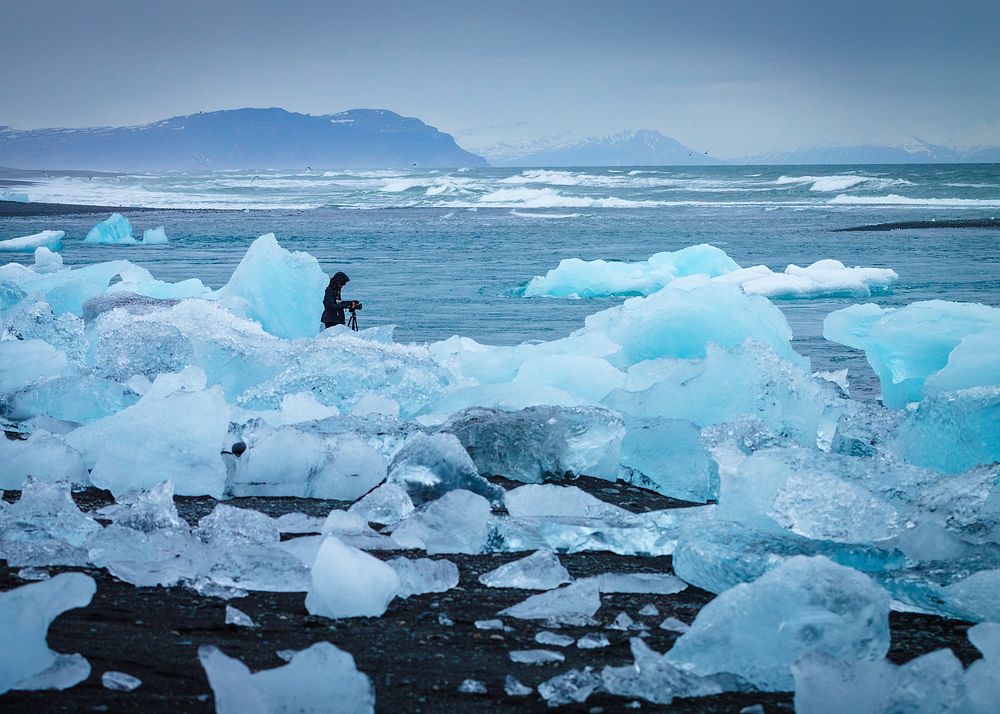
The increasing temperatures that global warming has created are far from helping the problem that now millions face. Methylmercury can be passed down from generation to generation, being passed on to fetuses. Therefore, people in the world have trace amounts of methylmercury in their bodies because of its prevalence in the environment around us.  Along with the fumes being put into the air from burning fossil fuels, the rising temperatures of the world are thawing Arctic ice which has had mercury trapped in its midst for thousands of years. The melting of this ice then releases the mercury into the surrounding soil and water, killing the wildlife of the arctic. 


A photographer setting up a camera | Free Photo - rawpixel
Photographer setting up a camera to capture the melting of arctic glaciers by the ocean.


The effect that pollution and mercury have on all organisms relates heavily to what we've learned about ecology this past year. The man-made climate change that has been increasing over time thanks to the burning of fossil fuels and other forms of chemical discharge all show how human impact is changing the environment at a global level, causing habitat change for animals who lived on the melting ice and the new diseases introduced, such as mercury poisoning. 

In order to help ourselves and the environment around us, there have to be major strides in how we get our energy and how much pollutants we spew into the environment. Fossil fuels are proving more and more harmful to our already weakening environment. 

Millennials could be shortening their lives by eating less fish than their  grandparents | The Bolton News

Saturday, June 4, 2022

Cats: The Killing Machines

How can you possibly not enjoy cats? Domesticated cats have been by our sides for 10,000 years, and for good reason! These cuddly creatures warm our hearts with their affectionate and silly behavior. Just look at the cat pictured below. Adorable, right? (Though a little annoying when you're trying to do homework!)

Photo taken by me of my cat being a cute distraction. 

If you love cats as much as I do, then you'd probably be shocked to learn about how terrible they are for the environment! Obviously I knew that cats were killers. I think every cat owner has had to deal with their cats trying to bring in a dead animal, or worse, successfully bringing in a live one (damn you Rupert!). But I had no idea cats were actually an invasive species and are really bad for the ecosystem. No wonder all cartoon villains are pictured stroking a cat! Although, looking at this picture of my cat Hugo, I guess I shouldn't be too surprised. 
Photo taken by me of my cat looking menacing whilst behind a chess board. 

Outdoor cats pose a threat to many small animals, killing a whopping 1.4 billion to 3.7 billion birds each year. That's not even the worst of it though. Cats kill about 6.9 billion to 20.7 billion mammals each year! Now you might be thinking, "what's the big deal? I could use a little less bird chirping at 5:00 AM or less mice trying to make a home in my house." Well, the problem is that the large removal of these animals results in decreased biodiversity, which could have major effects on our lives. Biodiversity is a necessary part of our ecosystem, and something we heavily rely on. You might not have stopped to think about it, but everything we need, from clean water and food to even the air we breathe, comes from an ecosystem that relies on biodiversity. Having a variety of species in an ecosystem allows for functions such as clean air, pest control, and more to occur naturally, and generally results in more productivity; it creates self reliance within the ecosystem. This is why removing even one species from an ecosystem can have a negative impact. Take woodpeckers, for example, which are keystone species, meaning that the ecosystem is greatly reliant on the species. If you remove woodpeckers from their habitat, there will be less woodpecker nest-holes. The amount of owls and other birds who use these abandoned holes would also decrease as they would have no shelter. In response to the decreased bird population, the species that get eaten by the birds would then increase. See how removing one group has such a big impact on the ecosystem around it? That's because of the reliance all organisms have on each other. Look at the table below for example!
Photo taken from Wikimedia Commons that depicts the trophic levels organized in a pyramid. 

In this pyramid, the levels below are necessary for the levels above to survive. This is because through predation and consumption, energy is transferred through the bottom levels to the top levels. So besides species providing homes and living conditions for other species, such as the case with the woodpeckers, decreasing an animal population also decreases the amount of food and energy in an ecosystem. The issue  with cats is that they're not just decreasing the amount of species in the environment, they're wiping them out completely. Cats have aided in the extinction of sixty-three species of birds, mammals, and reptiles, and have hunted other species to near extinction. This issue is so severe that domestic cats were put on the list of the world's worst invasive non-native species according to the International Union for Conservation of Nature. This is a genuine issue and not something to be overlooked or pushed aside. So now you might be saying, "wow jeez Kat you're right! This is a serious issue! Is there anything I can do to help with this issue?" Well, I'm glad you asked! There's actually a simple solution to this issue if you're a cat owner. Don't let your cats outside unless on a leash or in an enclosure. Most of my cats don't really like going outside, aside from that orange and white cat in the first photo (his name is Lil Dude if you were curious. I know, adorable). Since Lil Dude is an escape artist and the living definition of the phrase, "when there's a will, there's a way," my family has an electric collar for him. LISTEN I KNOW WHAT YOU'RE THINKING. That sounds unethical. But after doing our own research, we found that this is what works best for our yard and our cat, and it's a static shock equivalent to what you'd get on a metal playground, so it's not too intense. The intensity of the shock is also dependent on the size of the animal, so he's not experiencing something disproportionately painful. This was the best solution we could find to limit my cat's interaction with the outside world without cutting it off completely, so both the birds and the cats can be happy. It's also important to support your local animal shelters. These shelters are usually responsible for catching and housing feral cats as well as other animals that pose a threat to other species, so helping them also helps the ecosystem. Supporting and pushing for legislation that protects animals and wildlife can also help facilitate biodiversity and undo some of the effects of cats. To learn more about possible solutions, you can go here! 

P.S. For the record I am still on team cats in the ongoing cats v. dogs argument. Yes, cats kill a lot of animals and that is bad, but I once saw my dog gleefully running around with a deer leg in her mouth so I mean that's basically the same thing. Team cats all the way!!

Wednesday, May 25, 2022

The World Without Coral

The ocean is a fascinating part of our world home to thousands of different species each with its own structure and function. 

Coral reef

Before I go any further, let's get some things straight. Coral reefs are vast underwater structures made up of the skeletons of colonial marine invertebrates. Not to be mistaken for a plant, coral is actually an animal! It also happens to be a very important factor in our ecosystem. 

Coral reefs purify and clean the water in which they live, protect coastlines from the damaging effects of tropical storms and erosion, and provide a source of nitrogen and other vital elements for marine food chains. Also referred to as the "rainforests of the sea," coral reefs provide habitat and food for a quarter of all marine species. Coral reefs provide nourishment for around half a billion people. Coral reefs feed a variety of fish, which in turn feed people. The fish found on coral reefs are consumed by an estimated 500 million people worldwide. Clearly, they are very important!


What is harming coral reefs?

Coral reef ecosystems are unfortunately in great danger. Some dangers can be natural such as diseases, predators, and storms. Other threats however have been imposed by people. These include pollution, sedimentation, unsustainable fishing practices such as overfishing, and climate change, which is causing the ocean temperature to increase as well as causing ocean acidification. Many of these threats can cause coral bleaching, death, and physical damage to these fragile ecosystems. Corals are able to recover from bleaching events if conditions improve before they die. However, it can take many years for the ecosystems to fully recover. 

During the 2014-2017 coral bleaching event, unusually warm waters affected 70 percent of coral ecosystems worldwide. The Great Barrier Reef in Australia, for example, was particularly hit hard with hundreds of miles of coral bleached. 

Australia's Great Barrier Reef

Why should we care?

Without corals, reefs would deteriorate and eventually disappear. If coral reefs disappeared, crucial food, shelter, and hatching grounds for fish and other marine organisms would cease to exist. As a consequence, biodiversity would greatly suffer. Not only would we have a less diverse and less beautiful ocean, but many people would also be faced with an economic disaster since tourism and fisheries directly depend on healthy coral reefs. 

Photo of a fire coral before and after experiencing severe bleaching in the 2016 mass bleaching event

What can you do?

Suppose you are wondering what you can do to help preserve the world's naturally beautiful coral reefs. In that case, you should know that chemicals in sunscreen can cause coral bleaching, harm coral DNA, and cause abnormal growth and deformities. You might be asking, "How does sunscreen cause coral bleaching?" Well, in most cases, zooxanthellae cover corals. These microscopic critters absorb light and convert it into nourishment for the coral through photosynthesis. Corals expel the zooxanthellae when they are stressed, such as by rising water temperatures or pollution from sunscreen chemicals. These small critters are a lifeline for the coral. Without them, corals lose the main food and oxygen source as well as the broad assortment of colors that make coral so appealing. The disease is more susceptible in bleached corals. Their development is impeded, and the resulting damage will negatively affect the aquatic life in that area. While some bleached corals may recover, most will die of starvation. 


There are many different ways you can protect coral reefs. This includes choosing sustainable seafood, picking up trash others have left behind, and volunteering. You can participate in beach or reef cleanups in your area. Using water sparingly is also helpful. The less you consume, the less runoff and wastewater will eventually end up in the ocean. Coral is a gift from nature that shouldn't be removed from the ocean and given as a gift to others. Leave corals on the reef since it takes decades or longer for them to build reef structures. If you're diving, don't touch anything. Coral reefs are still growing and stirred-up sediment can smother corals. In addition, use caution when boating. Anchor in sandy areas away from coral and sea grasses so that the anchor and chain do not drag on nearby corals. Also, check active chemicals in sunscreen and choose sunscreens with chemicals that aren't harmful to marine life. 


What are scientists doing?

Scientists are also experimenting with new approaches to assisting coral reef ecosystems, such as growing coral in a nursery and then transplanting it to damaged areas. As stated before, corals expel the tiny algae that live inside them as sea temperatures rise. This effectively starves the corals by turning them white. In response, researchers have developed a lab-grown strain of microalgae which is more tolerant to heat. When injected back into the coral, the algae can handle warmer water better. The researchers believe their findings may help in the effort to restore coral reefs, which they say are, "suffering mass mortalities from marine heatwaves". The researchers made the coral more tolerant to temperature-induced bleaching by bolstering the heat tolerance of its microalgal symbionts - tiny cells of algae that live inside the coral tissue. 

Image describing what coral bleaching is and how it is caused

The ocean covers more than 70 percent of the surface of our planet. It's hard to imagine, but about 97 percent of the Earth's water can be found in our ocean. Those statistics are overwhelming but also fascinating. For something that takes up that much space on our planet, it must be important. Right? And if it's important, we should want to keep it clean... right? I have always loved the ocean. There's just something about it where I have always felt connected. Being in the water makes me feel calm and at peace.  My dad takes my sister and I snorkeling and its there when we go out and see the coral reefs. It's amazing to see all the other forms of life that exist under the sea. It sparks an interest in me, leaving me with the feeling of wanting to explore more. We never fail to come back less than outstanded by the buety of whats out there under the water. I chose this topic because it was something I already had knowledge on but also wanted to learn more and educate others. I am very passionate about keeping our ocean clean and the first step is bringing awareness to others.