Wednesday, June 7, 2023

Bats: Reservoir Hosts and Zoonotic Viruses


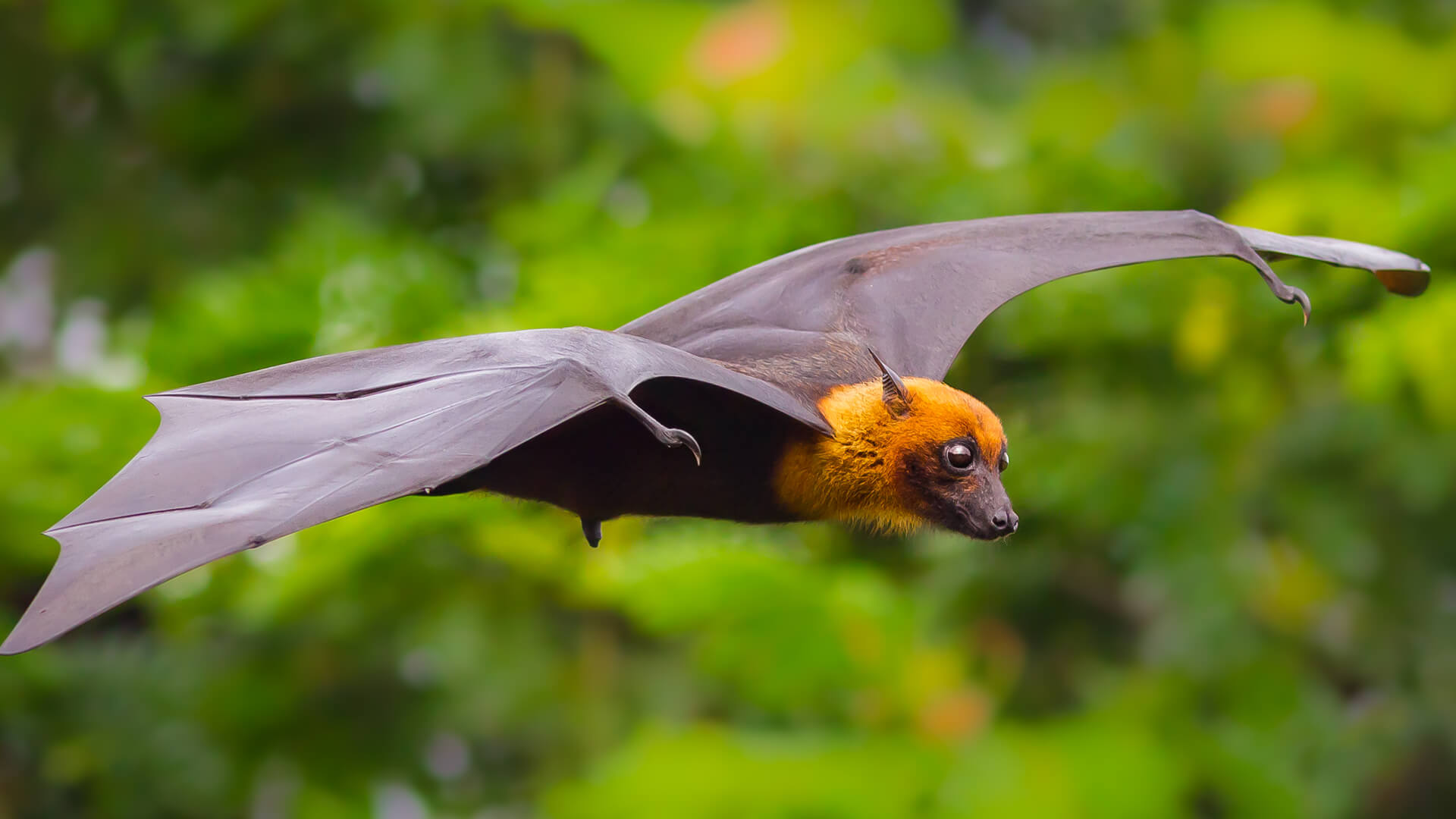
Traditionally viewed as harbingers of death or vampires in disguise, the true capabilities of bats are commonly overlooked. Personally, I've never viewed them as scary, in fact, I'd say that they are my favorite animals. Growing up, I'd always see bats flying around during warm summer nights, which is where my interest in bats began. The few characteristics that are generally recognized as common knowledge about bats—being the only flying mammals, sleeping upside down, and using echolocation—do not accurately showcase the role of bats in the ecosystem. In actuality, I believe that their most fascinating trait revolves around one thing: their ability to carry and transmit viruses. 

Background

Bats are a keystone species in their ecosystems. They are responsible for controlling insect populations, seed dispersal, and pollination. They are also extremely diverse--there are more than 1,400 species of bats and they span across many geographical regions. Bats live in large groups called colonies. These colonies can consist of around 30 to thousands of bats of the same species. Due to the the density of their living situations, many deadly viruses are often transmitted among the colony. However, unlike humans, bats rarely show clinical symptoms. 

What is a Zoonotic Disease?

Zoonotic diseases are defined as infectious diseases that are transmitted between species (from animals to humans or vice versa). Well known zoonotic diseases include rabies, encephalitis, monkeypox, or salmonella. In epidemiology, a reservoir is the habitat where the virus is sustained and is able to multiply. Two common types of reservoirs are human reservoirs and animal reservoirs. Bats are an animal (obviously) reservoir—and a very common one at that. In fact, bats carry more zoonotic pathogens than any other animal reservoir. 
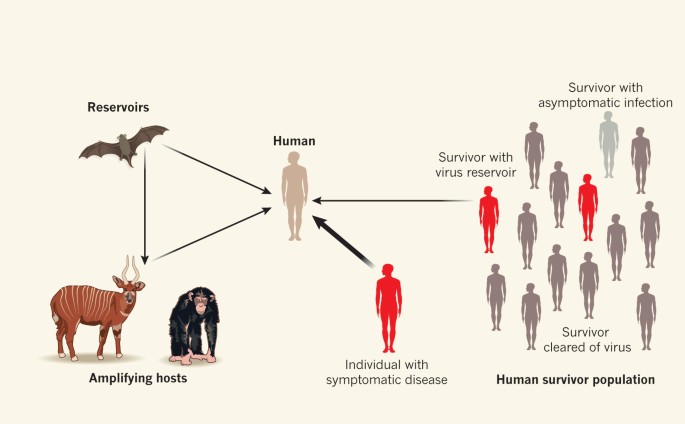

The Role of Bats as Reservoirs

Why are bats able to tolerate viruses that decimate human populations? This can be explained by a few major differences.

In all immune responses, the first step, or the innate immune response, refers to the expression of pattern recognition receptors. Once these receptors identify a foreign pathogen, they signal for the expression of antiviral cytokines, which will lead to the expression of genes that induce apoptosis—programmed cell death—in infected cells. Among these cytokines are interferons, also known as IFNs. In many bat species, IFN regulatory sites have evolved to enhance the innate immune response. This includes being expressed in more tissues or enhancing the expression of the final antiviral cytokine response. 

Additionally, when humans become infected with a viral pathogen, their immune system activates an immune response in an attempt to combat it. However, when bats are faced with a similar situation, many times, their immune responses are less effective and much weaker than a human's. This may seem like a completely contradictory statement, but it actually gives bats an advantage. The validity behind this paradoxical statement actually relies on a bat's response to inflammation. IFN-α is protein that leads to inflammation. Unlike other mammals, bats express IFN-α at a constant rate. Bats have evolved to counteract the inflammation caused by this protein. Humans cannot do this, which is why our immune systems rapidly produce immune responses to combat infection. This approach may lead to widespread inflammation that can eventually lead to death. 

The unique gene expression of a bat

All of this information leads us to one main question. Why have bats evolved this way?

In the introduction of this post, I mentioned how bats are the only flying mammal. This is where one the answers to this question lies. The ability to fly requires very different metabolic activity than the normal mammal. If bats retained a similar immune system to humans, everytime they tried to fly, the spike in activity and rise in temperature would cause widespread, debilitating inflammation. Part of the immune system of bats evolved to develop alongside their ability to fly. 

Another answer to this question is quite simple. Since bats live in large colonies and usually inhabit enclosed spaces, the spread of infection and disease among bat populations is very high. Bat's immune systems evolved as a response to their constant exposure to widespread disease. 

Conclusion

After discovering all of this information, you may not be surprised to learn that bats have an extremely high body size to lifespan ratio. Their ratio is even larger than that of a human. Their unique immune systems benefit them as a collection of species, however, they also benefit the entirety of the human race. Scientists can analyze their adaptations and their evolutionary pathway to attempt to strengthen the human immune system or even to try and increase human lifespans. Next time you spot a bat (they are all over Montclair) in the wild, remember that while they may not have the powers of Dracula, they have their own pretty cool version of a superpower. 

Panic Attacks: What is Happening to Me?

If you’ve never experienced a panic attack, you should consider yourself to be very lucky. I have experienced many, and they can be brought on by all sorts of things, such as taking a math test or competing in a gymnastics meet. Regardless, they are scary to go through, and I want to explore deeper into what happens to your body when a panic attack is occurring. 

Visual of a Panic Attack


Panic attacks are not as uncommon as you may think, and there may be a time when you find yourself having one. Some clues that you might be having a panic attack are shortness of breath, light-headedness, nausea, shaking, tingling in the fingers and toes, and a sense of dread. These symptoms combined can often feel like something much worse, but it is just your body fooling your brain. What brings on a panic attack is usually an event or situation that makes you feel scared or panicked, which sets off an alarm in your brain and activates the body's fear response. More specifically, the amygdala in your brain (a pair of nerve bundles) sends a signal to the hypothalamus (a command center on top of the brainstem), which sends messages to the adrenal glands by way of the nervous system. Finally, these glands release adrenaline and cortisol (hormones) into the bloodstream which kick-start the body's fight or flight response.


Adrenaline (also known as epinephrine) is not just a hormone, but also a neurotransmitter. Once released into the bloodstream in reaction to stress, it kickstarts a series of pathways throughout the body. In order for the fight-or-flight system to operate, the body needs energy in the form of ATP, which is stored as excess glucose in the form of glycogen in the liver and muscle cells. Epinephrine acts as the ligand in a signal transduction pathway, and binds to a G-protein coupled receptor, in turn activating the G-protein. What is called a signal transduction cascade then occurs, producing cyclic AMP, the second messenger in the pathway. Cyclic AMP activates protein kinase A, which adds a phosphate group (phosphorylates) two enzymes: glycogen synthase and glycogen phosphorylase. This phosphorylation activates glycogen phosphorylase, which is responsible for breaking down glycogen, freeing glucose molecules for the body to use, as well as inactivating glycogen synthase, which builds glycogen, ensuring no new glycogen is being created. Now, the muscle cells can use the glucose produced by this pathway to respond to the event which released a surge of adrenaline.


Epinephrine Signal Transduction Pathway


Once the fight-or-flight response is activated, your heart rate will start to increase in order to take in extra oxygen, which can account for the shortness of breath and hyperventilation. Hyperventilation can cause us to take in more carbon dioxide, which brings on feelings of light-headedness/dizziness. Additionally, blood is diverted from regions of your body that are less essential, such as your fingers and toes, to the arms and legs, creating numbness/tingling in the areas with decreased blood flow. 


Symptoms of a Panic Attack


Although many people experience feelings of panic, a true panic attack must have symptoms that come on rapidly and all at once. This onslaught of symptoms makes your body think that you could be dying, or experiencing something much more serious, such as a heart attack. On the brighter side, panic attacks usually last no longer than 15-20 minutes, and there are ways to decrease this time frame even more. The first thing to do is to attempt to bring yourself back to reality, and assure yourself that you are not dying, and the feeling will pass eventually. This strategy includes the frontal cortex of your brain, which is responsible for problem solving and decision making. One of the most important techniques to ease a panic attack is to get control of your breathing, as hyperventilating will only prolong your symptoms. Even though it is difficult to change your breathing, it will significantly help to relax your body and mind. Focusing on longer exhales will activate the parasympathetic nervous system, which is a system your body uses to calm yourself during stressful situations. This system is the opposite of the sympathetic nervous system, which contributes to creating stress and panic. Deep breathing exercises will stimulate the vagus nerve, which carries messages to the brain, and controls many bodily functions, such as breathing rate and heart rate. Slow breathing sends a message to your brain through the vagus nerve that everything is okay, and there is no need for panic, which will eventually slow down your heart rate by activating the heart muscles. 


You may be wondering if there are other factors which may lead some people to experience panic attacks more frequently than others. In fact, there can be many underlying reasons for a panic attack to occur. For one, females are two times as likely to suffer from panic attacks than males are. Other risks for panic attacks can include having a family history of panic disorders, suffering from a mental illness, or experiencing traumatic events during childhood. Regardless of all of these, any number of things can trigger someone to have a panic attack, even if you’ve never had one before. 


What you should take away from this blog post is that panic attacks can be frightening, but it is important to know that your body is only trying to protect itself from a feeling of danger. They should never be associated with any embarrassment or shame, because they can happen to anyone. If you find yourself with the symptoms I described, know you will be okay, and what is happening to you is much more normal than you may think. Your body, which can cause such a terrible experience, knows just how to reverse it, if you allow it to. 


The Phenomenon of Photographic Memory: Do We Have Mental Photo Albums?

Have you ever imagined what it would be like to take a mental picture of a certain special moment? To memorize an entire study guide an hour before a test? To be able to perfectly explain a detailed scene to a friend? Personally, I have always longed for these abilities, and for some these abilities are readily available. These individuals have photographic memory.

X-Ray of a Skull: Internal Camera to symbolize Photographic Memory

Before we dive into photographic memory, it is important to know the basics of how our memories work. Essentially, there are 3 different processes that characterize how our memories function, which are encoding, storage, and retrieval/recall. These three processes are an integral part of human cognition, and play directly into allowing an individual to activate their memories and recall past events, with an equal understanding of them in the present.

Memory as a whole is controlled by the hippocampus, embedded in the temporal lobe of the brain, that has a very prominent role in the skills of learning, memory, and spatial navigation. It is structured in the shape of an S, similar to the shape of a seahorse! The hippocampus contains muscarinic and nicotinic receptors of acetylcholine, which is an important neurotransmitter which plays a large role in muscle contractions, body function, and of course, memory. With higher levels of acetylcholine present, muscle activity and memory increases, as it controls the speed and efficiency of memory update. When inhibitory A1 receptors are activated, adenosine contributes to neuro-modulatory influence (the way neurotransmitters control the activity of our neurons). As humans age past 40 years old, the number of neurons in the brain typically decreases, making it difficult to retrieve information and for the brain to function efficiently. Along with this loss of neurons could be a loss of neurotransmitters, which again would slow brain efficiency. The reason some memories become lost as humans age is because of this loss, and an even greater loss of neurons is displayed in diseases such as Alzheimer's. 

Diagram of the Temporal Lobe, including the Hippocampus

Now that we've got all that covered, let's talk about a specific type of memory, photographic memory! Photographic memory, in short, is the ability for an individual to recall an image in great detail. Although many people are aware of this phenomenon and claim to have photographic memory, it has not actually been proved to exist. Because of this, many people believe they have photographic memory when it is simply a memory type advantage. This could mean someone who has a stronger long-term memory or short-term memory, which would extend their memories in duration and capacity. In addition to memory types, the working memory holds certain bits of information that may be stored and used in the future. Most people can only hold a certain amount of information in their working memory, but those who claim to have photographic memory might instead have a larger capacity for their working memory as if it was amplified.

Eidetic Memory
Since photographic memory has not been proved to exist, the scientific community tends to dismiss the phenomenon. While scientists still deny the existence of photographic memory, another type of memory called eidetic memory seems more likely to be possible. An eidetic memory is when the brain can recall an image or event for a very short period of time, but in extreme detail. Many people claim to have this form of memory, while many scientists debate about its true existence. The amplified working memory of many people with "photographic memory" tends to be present in age groups of children, and especially for those on the autism spectrum.

Nature vs. Nurture
While the debate of the existence of photographic memory grows with time, so does the debate of nature vs. nurture. The debate of nature vs. nurture is essentially centered on the effects of genetics (nature) vs. environmental influence (nurture) on human development, with aspects such as cognitive ability, and therefore the concept of photographic memory. In the case of photographic memory, the debate lies around whether the strong cognitive memory abilities of photographic memory individuals lies in either a genetic trait or some form of training. 

A Book that supports the Nurture Argument of Photographic Memory

People who support the nature argument believe that there is some genetic factor weighing in on this heightened ability to memorize certain images or pieces of information in great detail. Although there has never been one single gene linked to photographic memory, there are some that are associated with heightened memory proficiency, such as some genes that are associated with CREB molecules.

In contrast to this, people who support the nurture argument believe that there are ways to train the brain to hold in more information and in greater detail, all through trial and error. There are many books on the internet and in stores that have been written for the purpose of improving memory and hopefully moving the brain closer to this standard of photographic memory. Some more techniques include the use of mnemonic devices, or any technique of learning that would improve the memory, repetition of memorization, mental imagery, specific cognitive strategies, and utilizing multiple senses while trying to retain information. While these techniques have been used by many and have even worked for some, there is still no scientific proof that training the brain can produce photographic memory.

In Summary
The human memory is extremely complex and phenomenon of photographic memory is still evolving as time progresses. Since it does still remain unproven, as more tests are done and more techniques are discovered, the debate of the existence of photographic memory will continue to flourish. So while it is true that some individuals have "mental photo albums", and can remember information in great detail, they may not have the photographic memory they claim to have. Hopefully this makes you feel better about that one test you may not have done well on--it could just be your neurons! :)


Salem Witch Trials: Black Magic or Bad Bread?

As described by my history teacher, the Salem Witch Trials were a low point in our country's history, an example of intolerance and injustice which specifically targeted women. Having visited Salem, Massachusetts as a kid, I became engrossed in the history of the trials, wondering not only how these people could have been prosecuted with so little evidence, but what caused their symptoms of "bewitchment"? The belief that Salem's residents' afflictions were due to supernatural causes did not make sense to me, as an association with the devil seemed to be something that only happened in The Conjuring, not in colonial Massachusetts. Never having believed the "devil's magic" as causing such violent madness of the people of Salem, I searched for a more reasonable explanation. 

The Witch Trials

In the late 17th century, the people of the Puritan village of Salem were plagued by a multitude of worries. In addition to the harsh reality of life in colonial New England, they feared an attack by the neighboring Native Americans. They also suffered the effects of the war between Britain and France fought in the colonies, and experienced tumultuous times in politics as a new royally-appointed governor sought to create changes that the Puritans opposed. Colonial New Englanders were inclined to blame everything they perceived as strange or unpleasant on some aspect of their religion - they always had a Bible verse as an explanation. 

As early as the 14th century, the belief in the supernatural, and the ability of witches to cause harm emerged in Europe and soon became widespread in colonial New England. The second capital crime of the colonists' legal code was witchcraft, which detailed that any person suspected of witchcraft could be sentenced to death. 

In the winter of 1692, the 9-year-old daughter and 11-year-old niece of Samuel Parris, minister of Salem Village, began having "fits." They barked like dogs, complained of invisible hands pinching and biting their skin, had wild outbursts of screaming, fell into trances, and had violent reactions to prayers or religious sentiments, with one of them once hurling a Bible across the room. The local physician could not find any physical cause for their condition, and pronounced that the girls must be suffering from "the evil hand." Friends of the girls soon began to exhibit similar symptoms, and neither prayer nor medicine seemed to help them. The only other explanation the villagers could come up with was that their suffering was caused by witchcraft, and people of the village were accused of bewitching the girls. Hysteria spread throughout the colony, many people were accused and a special court was established to hear the cases of witchcraft. In the end, 200 people were accused, 30 of them found guilty, and 19 people were hanged for their practice of witchcraft. 


Alternative Explanation

In 1976, Linnda Caporael, now a behavioral psychologist, offered an alternative hypothesis to explain the afflictions of the "bewitched" girls of Salem. Her work claimed that the hallucinations the "bewitched" suffered from were actually caused by a case of ergot poisoning. 

Ergot is a plant disease caused by the fungus Claviceps purpurea which can affect rye, wheat, and other types of grain. When a plant is first infected, it will spew out a sweet mucus called "honey-dew" that contains spores and attracts insects, so that the spores can be transmitted to other plants. As the fungus grows, it replaces kernels of the infected grain with sclerotium which contain chemicals of ergot alkaloids such as lysergic acid, which is used to make LSD, and ergotamine, which is now used to treat migraines. Eating grain contaminated with ergot can lead to many symptoms recorded during the Salem Witch trials: muscle spasms, hallucinations, and feelings of things crawling on the skin. 


Lysergic acid diethylamide, also known as LSD, is a potent psychedelic drug which can produce changes in perception, mood and thought, and can cause a user to experience hallucinations. LSD is made from the lysergic acid found in the sclerotium of grains infected with ergot.

LSD works by binding to proteins on brain cells called serotonin receptors. Serotonin is a chemical messenger that carries messages between cells in the brain and throughout the body. It helps the brain send messages to control mood, emotions, and digestion. By binding to these receptors, LSD alters the neural pathways, which can cause the hallucinations and "trips" of people who have taken it. Part of the serotonin 2B receptor acts as a lid, trapping the LSD molecule to the receptor, which is why "trips" under the influence of LSD can last so long.


Ergot thrives after warm and rainy springs and summers, exactly the conditions reported in the diaries of Salem villagers from 1691. Most of the afflicted people of Salem lived in the western section of Salem Village, which consisted of swampy meadows, ideal for the growth of ergot. Rye was a main crop of Salem Village, widely consumed, mostly in bread. Farmers may have ignored the dark kernels of the infected rye as being due to sun damage, and sent the poisonous grain to the mills to be processed and consumed. The villagers in the western section of Salem were at greater risk of consuming the poisonous grain, as confirmed by the higher percentage of afflicted people in that section. 

Map of the distribution of the bewitched/accusers (A), witches (circled W), and the defenders (D)

Linnda Caporael concluded that the "bewitched" girls had been poisoned with ergot. The symptoms of ergot poisoning, including convulsions, hallucinations, and muscle spasms, are consistent with those observed in Salem. However, there are likely other factors unrelated to ergot that contributed to the events in Salem. The villagers of Salem likely also suffered from mass hysteria, and as a result, went along with the accusations and added their own. 

Pandas vs. Red Pandas: Are they actually genetically related?

Red pandas, arguably one of the cutest animals in the entire animal kingdom, are small, furry creatures with characteristic red-orange fur, round faces slightly resembling foxes, and long, fluffy tails which help them to retain balance. They are native to high-altitude areas like the Himalayas, and can be found in China and its surrounding countries. They usually munch on bamboo just like giant pandas, but this is where most of the similarities between the two species surprisingly end. (Not going to lie, this blog post topic is just an excuse for me to look at a bunch of pictures of red pandas and giant pandas as well as include them in this post, so enjoy!)


Picture from pbs.org
Many people believe, like their namesake suggests, that red pandas, Ailurus fulgens, and giant pandas, Ailuropoda melanoleuca, are closely related species. This included me until I began writing this blog post, when I decided to investigate the differences between these two, because they obviously differ visually. Excluding being extremely cute, these two animals have almost nothing in common, differing in almost everything from size and behavior all the way to DNA similarities. 

Are red pandas and giant pandas even closely related?
Shockingly and unfortunately, no. Red Pandas are members of the Ailuridae family, and they are actually the only known living members of this family. They were previously believed to be a part of the Procyonidae family, which is where raccoons, skunks, and other similar animals are classified, until morphological data and DNA similarities made scientists classify them in the Ursidae family, or bear family, which is where panda bears are grouped as well. This is where red pandas continued to be classified until recently when scientists put them into their own classification group. This debate over which taxonomic group red pandas belong in had been going since red pandas were discovered in 1825! Interestingly, red pandas were actually discovered before giant pandas (which were discovered in 1869), so which species is truly the "real panda"? As of now, scientists consider red pandas to be most closely related to raccoons and weasels. 

Picture from @eenork on twitter
"Lesser Panda" is a nickname for red pandas. Personally, I believe they are the best variation of panda.
This image depicts the phylogenetic tree of members of the Ursidae and Procyodae families and their most recent common ancestor(s).


Do they at least behave the same?
In some cases, yes. Both giant pandas and red pandas are solitary animals, only interacting with members of their species during mating season or in captivity. In some cases, giant pandas in the wild are separated from one another by miles of land and nature, further emphasizing their willingness to be alone. Another reason for this separation is food. Since bamboo, which is known to not be very nutritious, is the main food in the diet of both giant pandas and red pandas, both species need a lot of bamboo to be able to fulfill their nutrient requirement per day. Even though bamboo is known to grow fast, if two pandas (giant or red) occupy the same area, there will almost always be a fight over who gets to enjoy the green delicacy. 

Doesn't it look like he's playing the flute?

One main difference between the two species in terms of behavior lies in where they prefer to inhabit and at what time. Red pandas, as previously stated, like more high altitude areas and cooler temperatures. Most red pandas can be found in the mountainous regions of Nepal, China, and India as well as other countries in the surrounding area, and are nocturnal animals, preferring to roam around during the night instead of the day. 

Picture from wwf.org
Red Panda in the snow!!

In contrast, pandas definitely prefer to reside in warmer weather, preferably in temperatures between 64-69 degrees Fahrenheit, and are found in mostly southern China where they are heavily respected by Chinese residents. If it is absolutely necessary, pandas can live in colder regions because of their thick fur, but they would rather not. Yet again differing from red pandas, giant pandas are not nocturnal animals. Despite the fact that they sleep for a whopping 20 hours each day, they are not considered nocturnal and do most of their daily activities during the daytime (what little time they have at least!).

Picture from Reader's Digest
Long day?

Endangered Status
One thing that these two creatures sadly do share is the fact that they are both endangered species. The WWF believes that the amount of red pandas left in the world is around 10,000, while some experts say this number could be even lower. Similarly, the amount of giant pandas left in the world is estimated to be around 2,060. As previously stated, red pandas prefer colder temperatures to warmer, which means that as global temperatures continue to rise, red pandas will need to move to higher and higher elevations to find habitats within their optimal temperature range. Soon enough, these red pandas will be unable to continue rising in elevation, and will run out of land available to inhabit. The amount of inhabitable land has also decreased in recent years for a multitude of reasons, including demand for firewood and grazing livestock that take up more land. In addition, both red pandas and giant pandas are being depleted of their main food source, bamboo. This also fits in the same category as habitat degradation, where huge portions of growing bamboo is rid of to make room for other animals, like livestock. Livestock also competes with both giant and red pandas for bamboo leaves, again limiting the amount of bamboo available to the pandas. To try and increase panda population, the WWF and the Chinese Government have attempted to replant and repopulate bamboo forests in order to ensure that each panda will have enough to eat, and to find more potential breeding mates to even more effectively repopulate. You should be happy to know that these efforts have actually been helping the panda population! Woohoo! If you are interested in reading more about red pandas and their endangered status, click here (worldwildlife.org). 


Zookeepers in China attempting to help the endangered population of Giant Pandas by minimizing their contact with humans!

Whether you, like me, believed that giant pandas and red pandas were closely genetically related to each other, or if you somehow knew that they, unfortunately, are not, both species are still incredibly interesting in their own way.  Regardless of the many differences they may have, at least both species are some of the cutest in the world today. I can live with that!

Some TikToks for fun!
Red Pandas standing up for treats.
Video from user @1_redpanda on TikTok

Giant Panda eating bamboo.
Video from user @giantpanda0711 on TikTok


Wednesday, May 31, 2023

The Magic of the Silver Screen: Our Brains on Film

Whether it's the magical world of Harry Potter, action-packed Marvel features, or the emotional epic that is Titanic, no matter who you are there is a film for you. My fascination with film began at a young age, jump started by movies like Ponyo, Wall-E, and Spider-Man. Even at the age of 5 or 6, these movies were extremely impactful, stirring up emotions that I lacked the vocabulary to describe. Now at 17, I still am infatuated with film but I am also interested in what makes them so magical. If we know it's not real, why is Friday the 13th so scary, The Green Mile so sad, and Superbad so funny. The answer lies in film's relationship with the way we all interpret and understand the world around us, the real magic-maker: our brain!


Many consider film to be the peak form of art as it incorporates image and sound to serve its storytelling purpose. This means that it has a unique effect on the brain. It stimulates the areas of the brain that processes visual and auditory information and several areas that signify emotions such as fear, compassion, or self-awareness. Studies conducted by Princeton University's Uri Hasson has made great advances in understanding film's effect on the brain. Subjects were exposed to clips from different films and TV shows like Bang! You're Dead, The Good, The Bad, and The Ugly, Dog Day Afternoon, and Curb Your Enthusiasm as well as footage from Washington Square Park in NYC, with varying effects. The study uses ISC (Inter Subject Correlation) which is merely a measure of how much of the brain activity was shared among the participants. It showed that across films with more deliberate editing and emotional scenes, there was a ISC measure of 65 percent of the participants compared to a more freeform, true to life approach taken by Curb Your Enthusiasm which came into about 18 percent. The structured, edited films scored significantly higher in ISC than the unstructured, minimally edited films. This study shows us the collective effects of film and specifically the importance of film editing and cinematography. Hard editing and structure is used to pull the viewer's attention to a specific subject or idea. Correct usage of both allows the viewer to dissect the scene and understand its point and value to the story. Subjects who watched edited, emotion driving clips exhibited similar brain activity and emotion responses. So, now we know that film with meaningful editing, whether it is to build suspense or draw out an emotional response from the viewer, is a contributing factor of the reaction to a film. 

But film is much more than editing, and it is about more than collective responses. So, how does film effect the individual? A study conducted by Phil Carlsen and Devon Hubbard at Mindsign, a company that invests in neurocinematics, investigates activity in different areas of the brain while watching a film. Using a functional magnetic resonance imaging (fMRI) machine, which measures blood flow within the brain which corresponds to brain activity. In this study, several observations point directly to the relationship between the screen and the mind. Areas of the brains like the frontal cortex, ventromedial prefrontal cortex, amygdala, fusiform gyri, and insula were stimulated during the viewings. These areas are important for functions like emotion, facial recognition, memory, self-awareness, and attention. This shows the viewer's brain being stimulated in order to deconstruct a complex series of shots and sounds to create a story. And within this story, the brain can connect as we see when the insula or ventromedial prefrontal cortex are stimulated. This study shows us the specific areas and functions of the brain that makes movie going so enjoyable for viewers. 

So there we have it, the real magic ingredient in the film industry isn't the actors, cinematography, costumes, or even the music. It's the brain. The brain allows for information to be taken from the big screen, processed and analyzed, and then connect with us on an extremely personal level. Neurocinematics is a growing field of interest between scientists and companies and has practical uses in the industry. Trailers, TV clips and more have been analyzed by ISC ratings to see which cut is the most stimulating to the viewer's brain. It is a young field but has a lot of potential for the movie making business in the future. Even without it, we have found a way to make countless impactful, touching films since the technology was first developed in 1895. Film is an expression of human emotions that is like no other. It connects, inspires, and brings joy to people all around the world. But film would be nothing without the hard work of our brains. Film will always have a special place in my heart...and brain.


Monday, May 29, 2023

No Pain, No Gain

I know many of you reading this right now workout almost daily and have goals you would like to reach. Me, like many others, love to lift and are fascinated, yet troubled by the science behind muscle growth and getting stronger. 

Clipart of Someone Doing and Over-head Squat

What is being sore?

More than likely there has been a point in your life where you have been sore. Maybe during preseason, after not working out for a while, or you just did an incredibly hard work out, but what is muscle soreness? 

Simply put, soreness is the pain that you feel from overworking or pushing your muscles to their limits. From a science standpoint, it sounds a little different. Soreness is when your muscle and the connective tissue surrounding it are damaged during exercise. This may sound like a bad thing, but it is actually not! This soreness actually causes hypertrophy.


Photo Depicting a Sore Quad

So, what is hypertrophy?

Hypertrophy is building muscle, but how does that process work? 

During a workout your muscle cells tear and post-workout your body will repair or rebuild those muscle fibers that were torn. To rebuild those fibers, your body will fuse your muscle fibers together, to make new fibers. These create new and large amounts of myofibril that are thicker and stronger than the original ones, making you stronger. 

There is one cell, though, that is responsible for building onto the muscle in your muscle cells. It is the satellite cell. Satellite cells are cells in between two membranes of muscle fibers and many people say that they act as stem cells. On a molecular level, they add nuclei to muscle cells which makes them grow. 

It is important to note that muscle cells are quite peculiar. They are multi-nucleated (have more than one nucleus) and rarely, if ever, divide. This is rare for a cell as cells are always going through mitosis and replicating. These muscle cells can not divide because they are multi-nucleated and keep growing larger. The reason why they have several nuclei (plural of nucleus) is to maximize their internuclear distances (distance between nuclei) which will make their bonds weaker which allows them to grow so large. So, you are not gaining more muscle cells, you are making your muscle cells larger.


Diagram of Myofibril
Photo Showing Muscle Hypertrophy (Growth)

Photo Showing Skeletal Muscle Under A Microscope

Why do you lose muscle so quickly?

You may have experienced a time where you could not get in the gym for a couple weeks or you had a short injury; and even in this short branch of time you could feel yourself having become weaker, although you were not visibly weaker. This can be explained by both your brain and your muscles. 

To lift weights you have to be somewhat coordinated, and it takes muscle memory for you to be able to improve your coordination. In turn, this affects your movement of the weights. So, if you take some time off the good news is that you do NOT lose muscle because (as we discussed earlier) the muscle fibers you previously built are still intact, but you lose some muscle memory which is why it feels heavier to move the weights again. This can be further explained by disuse atrophy. To break it down simply, disuse means not in use, the prefix "a-" means not, and the suffix "-trophy" means nutrition/growth, so it means you do not have muscle growth from not using your muscles! From a science standpoint, when you stop using your muscles your body will not take care of your muscles because that would be wasting energy. Alternatively, your body will break down these muscles causing you to lose strength.

Why are some people stronger than others?

Well, depending on the situation there are a number of answers to this question: some people work out more often, some people work out harder, and some people just have better genetics. So, the simple answer to this question is genetics and there are several studies to support it. With this in mind, if you are interested in getting stronger, knowing your genotype (the genetic makeup of an organism) can help you understand your body and know what types of workouts you should do to achieve your goals. You may even have different genotypes than your relatives, so if you are doing the same workouts as your sibling and not seeing improvement like they are, the likelihood is that you have different genotypes in your muscle cells and all cells!

What can you do before and after exercising to make you less sore?

Although soreness can make you feel accomplished, there are certain times (game day) where you do not want to be sore because it can limit your performance. Luckily, there are ways to reduce soreness and in turn they also lower your risk of injury.

Warming up/cooling down and stretching are both incredibly helpful ways to reduce soreness and risk of injury. Warming up allows your muscles to get ready for what is next by increasing the blood flow in them. Cooling down helps with heart rate, blood flow, and blood pressure. 

Another way you can reduce your soreness is by not doing hard workouts, heavy weights, or high reps. Also, using improper technique can make you sore because you might start targeting muscles you did not  mean too, so you did not warm those muscles up properly.

More things you can do are drink a sufficient amount of water, ice your muscles, take an ice bath, use the heating pad on your muscles, and/or take a hot shower. Drinking water is important for your all around health, but when it comes to muscles, water is important for energy, loosening of joints, and limiting dizziness, tiredness, and headaches. Icing your muscles is good for decreasing inflammation and pain. On the opposite side, heating your muscles is good for reducing pain, healing damaged tissue, and reducing muscle tension.


Photo Showing A Woman In A Lunge Position, Stretching


To put this all together, when not working out for a little while, you do not lose strength, you lose muscle memory. The journey of getting stronger is different for everyone. There are ways to reduce your soreness, but you can not make it disappear entirely. Lastly, soreness is good and leads to hypertrophy; no pain, no gain.